

Your rankings look stable, but clicks are down. An AI Overview now answers the question your best article used to win. The content calendar has slipped twice this quarter, a competitor launched 40 new pages last month, and your German site still gets almost no organic traffic. If that sounds like your dashboard, you’re not alone. This guide is for in-house SEO leads, content marketers, and small business owners who need to know which SEO problems to fix first, and with what.
Below are five SEO problems that hold teams back in 2026. For each one, you’ll see what breaks, why it happens, how to fix it, and which in-depth Lara Translate guide compares the tools.
|
TL;DR
|
1. You can’t measure SEO progress anymore
Impressions are up, clicks are flat, and your rank tracker says you’re in position three. So why does traffic keep slipping? Because position three might now sit below an AI Overview that answers the question before anyone scrolls.
Why it happens. Classic rank tracking only shows where your blue link sits. It doesn’t tell you whether your brand is cited in AI Overviews, AI Mode, or chat assistants. Google says there are no special requirements to appear in its AI features beyond standard SEO best practices, which means visibility there follows from good fundamentals, but you still need a way to see it.
How to fix it. Track two things separately: classic rankings by keyword and country, and AI search visibility (which prompts mention or cite you). Decide which problem you’re solving first, because few tools do both equally well. Then report on clicks and conversions per page, not just positions.
Our comparison of rank tracking and AI search visibility tools covers 14 platforms, from classic trackers to AI-answer monitors.

2. Your content production doesn’t scale
You know which keywords you need. You have a brief template. But you can only publish four articles a month, and the topic list grows faster than the team can write.
Why it happens. Writing is only one part of SEO content. Research, briefs, optimization, internal links, publishing, and indexing all take time, and most teams don’t have the staff for every step. The result is a bottleneck that no amount of motivation fixes.
How to fix it. Automate the repetitive parts of the pipeline: keyword clustering, briefs, first drafts, on-page optimization, and publishing. Keep a human editor on every piece for accuracy, brand voice, and fact-checking, because search engines and readers both reward content that’s actually useful. Start with one content type, measure results, then expand.
We reviewed 12 options in our guide to AI SEO content automation platforms.
Your best-ranking article could rank in five more languages
Translate your top pages with your SEO terms locked in a glossary, and keep the HTML structure intact.
3. You don’t have reliable competitor data
A competitor keeps outranking you, and you don’t know why. Did they change their pricing page? Launch new comparison pages? Rewrite their titles? By the time you notice, they’ve been ahead for months.
Why it happens. SEO suites show competitor rankings and backlinks, but not always the on-page changes behind them. Checking competitor sites by hand is slow and inconsistent, and building custom scrapers usually needs a developer.
How to fix it. Use no-code scraping and monitoring tools to track the pages that matter: competitor pricing, product listings, landing pages, and content hubs. Set alerts for changes, then check whether those changes line up with ranking shifts. Test each tool on your real target pages before committing, because billing units and usage limits vary a lot, and respect each site’s terms of use.
See our guide to no-code web scraping and monitoring tools for options that don’t need a developer.
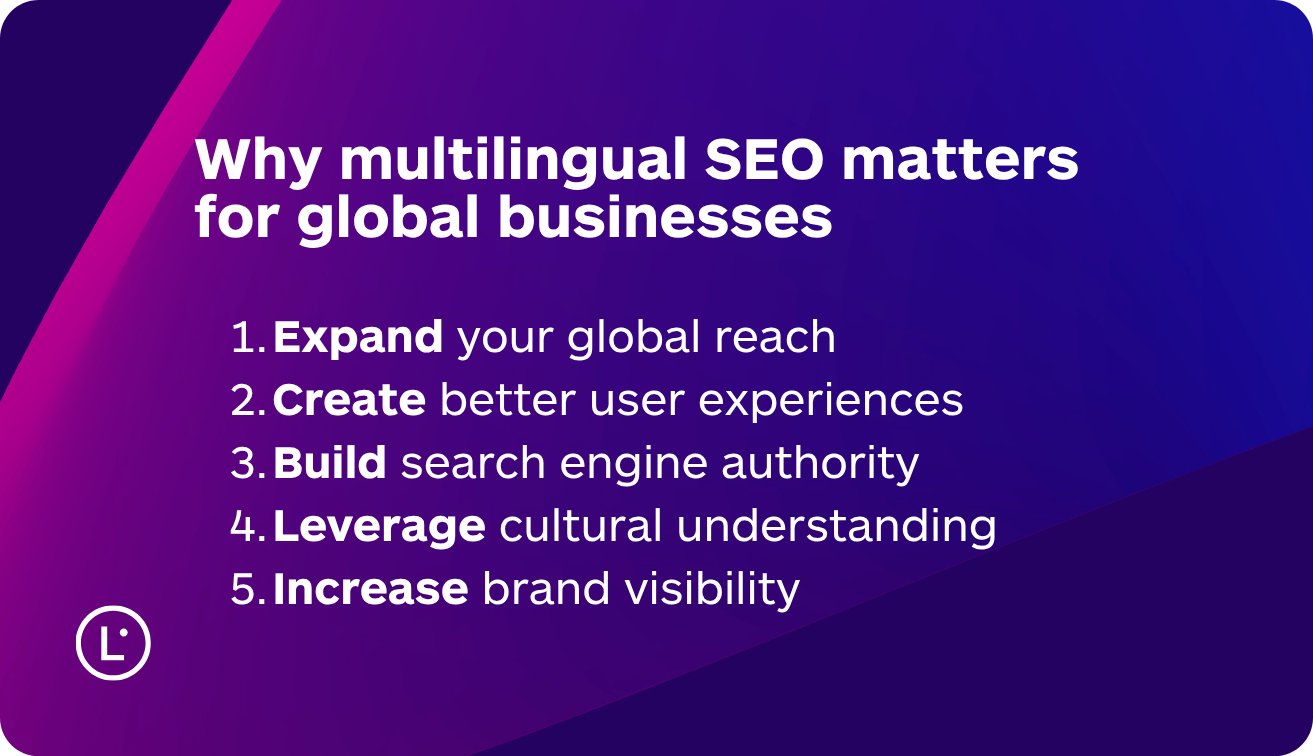
4. You have no international visibility
Your English site ranks well. Your translated pages barely show up. Plenty of your potential customers search in other languages, and right now they find your competitors.
Why it happens. Many multilingual sites get translated but never optimized. English keywords get carried over word for word, even when people in other markets search with different terms. Hreflang annotations are missing or broken, so Google doesn’t know which version to show which searcher. And translated pages rarely earn local backlinks.
How to fix it. Pick your priority markets first, then research keywords in each language instead of translating your English list. Localize titles, meta descriptions, headings, and URLs. Use hreflang to label each page as a language or regional variant, and track rankings per country. Build a few local links in each market to signal relevance.
Lara Translate helps with the translation side of that workflow. It translates web content, including HTML and XML files, and keeps the page structure intact, so tags and formatting survive. Glossaries lock in the keywords you’ve researched for each market, so the same target term appears consistently across every page. Three translation styles (Faithful, Fluid, and Creative) let you match the tone of product pages, blog posts, or campaign copy, and Lara Translate covers 200+ languages. Teams publishing at scale can connect it through the API.
For the full strategy, from market selection to hreflang and local link building, read our guide to multilingual SEO for ranking in global markets.
5. Your local visibility is weak
You run a dental practice, a restaurant, or a three-location retail chain. When someone nearby searches for what you offer, a competitor shows up in the map results, and you don’t. Your listing has the wrong opening hours on two directories and a handful of unanswered reviews.
Why it happens. Local SEO depends on accurate business listings, reviews, and location-specific pages, all spread across many platforms. Many small business owners don’t have the time or the marketing background to manage complex SEO dashboards, so listings drift out of date.
How to fix it. Claim and verify your business profiles, keep name, address, phone, and hours identical everywhere, and reply to reviews regularly. A local SEO platform can sync listings across directories and, more importantly, tell you what to do next instead of handing you more data to interpret.
Our comparison of local SEO platforms for small businesses covers 10 options, from simple listing tools to multi-location suites.
SEO problems and solutions at a glance
| Problem | Solution | Read more |
|---|---|---|
| Can’t measure progress | Track rankings and AI visibility separately | Rank tracking tools |
| Content doesn’t scale | Automate the pipeline, keep human editing | SEO content automation |
| No competitor data | No-code page monitoring and alerts | Web scraping tools |
| No international visibility | Local keywords, hreflang, consistent translation | Multilingual SEO strategies |
| Weak local visibility | Consistent listings, reviews, guided actions | Local SEO platforms |
Keep your keywords consistent in every language
Add your researched terms to a Lara Translate glossary once, and every translated page uses them the same way.
The bottom line
SEO in 2026 rewards teams that can see clearly and move fast. Start with measurement, because you can’t fix what you can’t see, especially now that AI answers sit between you and your readers. Then scale content with automation and real editing, keep an eye on competitors, and expand into new languages and locations once the basics work. One problem at a time is still the fastest route.
Have a valuable tool, resource, or insight that could enhance one of our articles?
Send us an email at press@laratranslate.com
We’ll be happy to review it and consider it for inclusion to enrich our content for our readers! ✍️
FAQ
What are the most common SEO problems?
The most common SEO problems are unclear measurement, slow content production, missing competitor insight, poor international visibility, and weak local rankings. On the technical side, frequent issues include pages that aren’t indexed, duplicate content, slow load times, broken links, and missing or incorrect hreflang on multilingual sites.
Do I need special optimization to appear in AI Overviews?
No. Google states there are no additional requirements or special optimizations needed to appear in AI Overviews or AI Mode. Standard SEO best practices apply, so focus on helpful, well-structured content and a technically sound site.
Can AI write SEO content that ranks?
AI can speed up research, briefs, and first drafts, but content that ranks still needs human editing for accuracy, originality, and brand voice. The best results come from automating the repetitive steps and keeping a person accountable for quality.
How do I rank in other countries and languages?
Research keywords separately for each market, localize titles and meta descriptions, and use hreflang to tell Google which page targets which language or region. Translate content with a glossary so your target keywords stay consistent, and build local backlinks in each market.
What is the fastest way to improve local SEO?
Claim and verify your business profiles, make sure your name, address, phone number, and opening hours match everywhere, and respond to reviews. These steps take little time and fix the most common reasons local businesses miss map results.
This article is about
- The five SEO problems that hold teams back in 2026, from measurement to local visibility.
- Why classic rank tracking misses AI Overviews and how to monitor AI search visibility separately.
- How AI content automation can scale production when paired with human editing.
- Where no-code scraping helps SEO teams monitor competitor pages and pricing.
- How Lara Translate supports multilingual SEO with structure-safe translation and keyword glossaries.
- Which in-depth Lara Translate guide to read next for each problem.
Sources
- Google Search Central: AI features and your website
- Google Search Central: Localized versions of your pages
This article was produced by the Lara Translate content team. Lara Translate is an AI translation platform built by Translated, with more than 25 years of professional translation experience. Marketing and SEO teams use Lara Translate to localize web content with consistent keywords, across 200+ languages and 60+ file formats.