

A brand manager sends 300 gifting emails from a spreadsheet, loses track of who replied, and cannot tell which creator drove which sale. Influencer programs that start with a few partnerships break down quickly once outreach, contracts, payments, and tracking have to be handled by hand.
This guide compares influencer marketing platforms in 2027 on features, integrations, language coverage, and published pricing, so ecommerce brands and agencies can match a platform to how they find, manage, and pay creators.
|
TL;DR
|
What makes an influencer marketing platform worth using in 2027?
Discovery decides who you can reach. Influencer Hero lists over 450M creators. Compare audience filters, contact availability, and profile freshness alongside database size, then test whether a platform can find creators relevant to your market.
Tracking connects creators to sales. Upfluence lists unique promo codes and per-creator ROI, Aspire lists tracking links and shoppable storefronts, and Modash lists two-way Shopify sync of discount codes, orders, and revenue.
Payments keep programs running. GRIN lists a wallet with creator fees held in escrow, Upfluence offers global creator payouts, and Heepsy lists payments by card with funds held until work is delivered. Check supported countries, currencies, and fees for your campaign.
Marketplaces and applications change how creators arrive. Collabstr lists collabs that creators apply to, Afluencer lists a creator directory with collab applications, and GRIN lists a marketplace on every plan.
Languages are rarely the whole picture. A translated marketing website does not establish which interface languages a platform supports. Briefs, outreach emails, and contracts need to work for creators in each market, so check both product language options and your content review process.
Connect Lara Translate to your campaign process by translating approved creator briefs, outreach templates, and supporting documents before loading the reviewed copy into your influencer platform. Keep creator handles, tracking links, promo codes, and template variables unchanged. Lara Translate supports 200+ languages and 60+ file formats; a qualified reviewer should check brand wording and agreements. This content workflow does not depend on a native platform integration.
Best influencer marketing platforms for ecommerce brands and agencies in 2027
| Provider | Best for | Model | Pricing |
|---|---|---|---|
| Upfluence | Ecommerce and DTC brands that want discovery and sales tracking | Influencer and affiliate marketing platform | Custom; not listed |
| GRIN | Brands that run gifting, affiliate, and paid programs | Creator management platform | Free plan; paid from $200 per month |
| Aspire | Shopify brands that want a marketplace and shoppable storefronts | Influencer marketing platform | Not listed; request a demo |
| Modash | Brands that want a large creator database with Shopify sync | Creator discovery and management platform | From $199 per month billed annually |
| Influencer Hero | Brands and agencies that want all-in-one outreach and payments | AI-powered influencer marketing platform | From $649, three-month commitment |
| CreatorIQ | Enterprise teams that need measurement and brand safety | Enterprise creator management platform | Not listed; request pricing |
| Traackr | Global teams that want AI planning and benchmarking | Creator marketing platform | Not listed; request a demo |
| Heepsy | Teams that want creator search with audience vetting | Creator search and campaign platform | Free plan; paid from $69 per month billed annually |
| Collabstr | Local businesses that post collabs for creators to apply to | Creator marketplace | Free; Pro $249/month billed annually; hiring fees apply |
| Afluencer | Brands that want to post collabs and review applicants | Creator marketplace platform | Free to start; paid tiers not listed |
Upfluence
Best for: Ecommerce and DTC brands that want discovery and sales tracking.
Upfluence is an influencer and affiliate marketing platform. Its offering includes creator discovery and vetting, program management with contract and outreach templates, automatic promo codes, tracking links and per-creator ROI, an API and MCP, and a marketplace where creators apply to campaigns. It connects to Shopify, WooCommerce, Magento, BigCommerce, and Amazon. The site is in English, Italian, French, German, and Simplified Chinese.
Pricing: Custom pricing based on program needs. Request a quote for your creator volume, required features, and agency support.
Verdict: Consider Upfluence when sales attribution for ecommerce stores matters.

GRIN
Best for: Brands that run gifting, affiliate, and paid programs.
GRIN is a creator management platform. Its offering includes an AI agent called Gia for creator search and outreach, gifting, affiliate, and paid programs, a creator CRM, deal records, a wallet with escrow, reporting, market rate benchmarks, and a marketplace.
Pricing: Free is $0 per month, Starter is $200, Growth is $500, and Scale is $1,500 per month. Wallet deposit fees are 20%, 10%, 7%, and 5%, respectively. Enterprise pricing is custom.
Verdict: Consider GRIN when published plans and escrowed creator payments matter.
Aspire
Best for: Shopify brands that want a marketplace and shoppable storefronts.
Aspire is an influencer marketing platform. Its offering includes a creator marketplace, AI creator discovery, campaign management, content approval, affiliate tracking links and promo codes, ad rights requests for Meta, and a Shopify app with shoppable storefronts. It connects to TikTok, Meta, Shopify, PayPal, Pinterest, YouTube, and Klaviyo.
Pricing: Request a demo and a quote for your program requirements.
Verdict: Consider Aspire when a Shopify-based program with ad rights workflows matters.
Modash
Best for: Brands that want a large creator database with Shopify sync.
Modash is a creator discovery and management platform. Its offering includes AI search and audience analytics for Instagram, TikTok, and YouTube, a CRM, Gmail and Outlook sync, content tracking, worldwide creator payments, Shopify sync of discount codes and orders, and APIs.
Pricing: Essentials starts at $199 per month billed annually. Higher plans increase limits and capabilities; compare searches, email access, tracked creators, seats, and payment fees.
Verdict: Consider Modash when a large searchable database and Shopify sync matter.
Influencer Hero
Best for: Brands and agencies that want outreach, management, and payments in one platform.
Influencer Hero is an AI-powered influencer marketing platform for brands and agencies. Its offering includes creator discovery, AI-generated outreach and drip campaigns, a CRM with pipeline stages, UGC tracking, automated gifting, batch and international payouts, reporting, code leakage protection, and an API. It lists more than 65 integrations, including Shopify, WooCommerce, Klaviyo, and Slack. The page does not state supported languages.
Pricing: The page reviewed does not list prices and links to a pricing page and a demo form.
Verdict: Consider Influencer Hero when outreach automation, gifting, and payments in one platform matter.
Brief creators in their working language
Translate your outreach and campaign briefs, then review brand terminology and deliverables before sharing them with creators.
CreatorIQ
Best for: Enterprise teams that need measurement and brand safety.
CreatorIQ is an enterprise creator management platform. Its offering includes creator discovery and evaluation, campaign execution, payments, benchmarking, brand safety reviews, and measurement with an analytics agent. It connects to Instagram, TikTok, YouTube, Facebook, Snapchat, Amazon, and Shopify, and offers an API and MCP support.
Pricing: Custom pricing available on request.
Verdict: Consider CreatorIQ when enterprise measurement and brand safety matter.
Traackr
Best for: Global teams that want AI planning and benchmarking.
Traackr is a creator marketing platform. Its offering includes an AI assistant called Abigail for planning, activation, and measurement, ranked creator shortlists with reasoning, campaign reports, goal tracking, and benchmarking across 70 countries.
Pricing: Request a discovery call or demo for a quote.
Verdict: Consider Traackr when AI-assisted planning across many countries matters.
Heepsy
Best for: Teams that want creator search with audience vetting.
Heepsy is a creator search and campaign platform. Its offering includes search across Instagram, TikTok, YouTube, and LinkedIn, audience vetting for suspicious followers, project workspaces, bulk outreach, card payments held until delivery, content tracking, and reports. It connects to Shopify and WooCommerce. The site is in English and Spanish.
Pricing: A free plan is available. Starter is $69 per month billed annually or $89 with monthly billing.
Verdict: Consider Heepsy when audience vetting and a low entry price matter.
Collabstr
Best for: Local businesses that post collabs for creators to apply to.
Collabstr is a creator marketplace. Brands can search creator profiles, hire creators directly, or post campaigns that creators apply to. Paid plans add campaign management and performance tracking, while escrow payments support the hiring process.
Pricing: Free is $0 per month with a 10% hiring fee. Pro is $249 per month billed annually. Compare campaign limits, tracking allowances, and hiring fees before choosing a plan.
Verdict: Consider Collabstr when posting a collab and reviewing applicants matters.

Afluencer
Best for: Brands that want to post collabs and review applicants.
Afluencer is a creator marketplace platform. Its offering includes posting collabs with criteria, a directory of verified creators across 75 interests, applications, direct messaging, a dashboard, AI automations, analytics, and 40+ integrations, including Shopify, Klaviyo, and Amazon.
Pricing: The Free plan includes unlimited collabs and directory search. Confirm any paid features or limits needed for your program.
Verdict: Consider Afluencer when a free start with a creator directory matters.
How to choose an influencer marketing platform
Step 1: Define the program type. Decide whether you run gifting, affiliate, paid partnerships, or a mix, since platforms handle each differently.
Step 2: Check store and channel fit. Confirm support for your ecommerce platform and the social channels your creators use.
Step 3: Choose how creators arrive. Decide between a searchable database you contact yourself and a marketplace where creators apply.
Step 4: Review payments and tracking. Check how creators are paid, how promo codes and links are tracked, and how usage rights for ads are recorded.
Step 5: Plan for languages. If you work with creators in several markets, decide who translates briefs, outreach, and contracts and who reviews the wording.
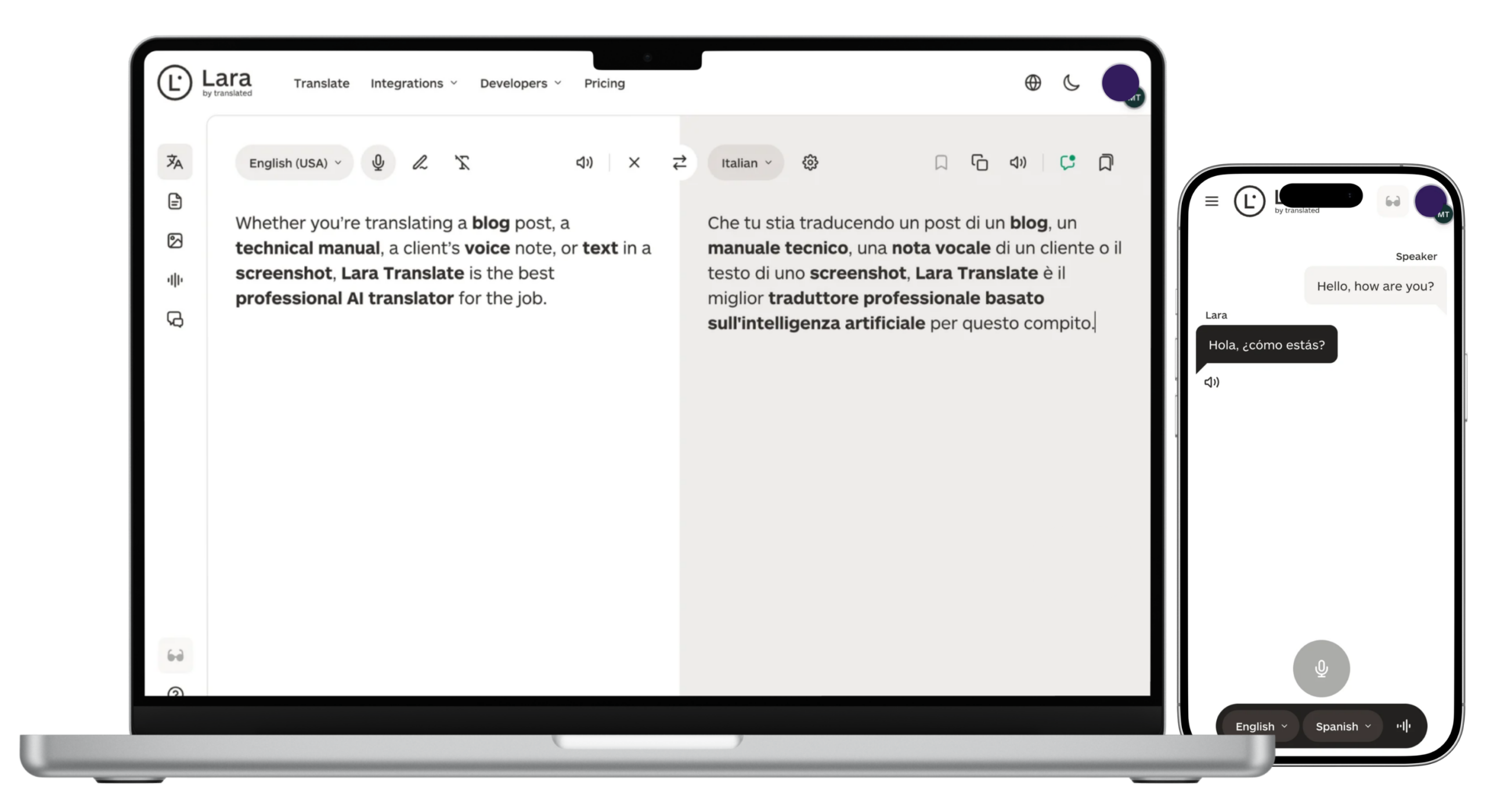
Prepare your next cross-market campaign
Bring briefs, outreach templates, and supporting documents into one translation process so your reviewers can check the message before launch.
Conclusion
The right platform depends on how you find creators, how you pay and track them, and how large the program will grow. Shortlist two or three, run the same pilot campaign on each, and compare tracking accuracy and time saved.
Have a valuable tool, resource, or insight that could enhance one of our articles?
Send us an email at press@laratranslate.com
We’ll be happy to review it and consider it for inclusion to enrich our content for our readers! ✍️
Frequently asked questions
What is an influencer marketing platform?
An influencer marketing platform is software that helps brands find creators, manage outreach and contracts, pay creators, and track results. Many also handle gifting, affiliate links, and content rights in one place.
How do you find the right influencers for a brand?
Start with audience fit, engagement, and content quality, then check follower authenticity and past brand work. Discovery tools filter creators by niche, location, audience demographics, and engagement.
How do you track sales from influencer campaigns?
Use a unique tracking link or promo code for each creator and match attributed orders to campaign costs. Review the attribution window, returns, and code sharing before treating tracked revenue as incremental sales.
What is the difference between gifting, affiliate, and paid influencer campaigns?
Gifting provides free products, sometimes with agreed content deliverables and sometimes without a posting obligation. Affiliate campaigns pay commission on attributed sales, while paid partnerships pay an agreed fee for defined work. Set expectations and content rights before sending products or launching a campaign.
How much do influencer marketing platforms cost?
Plans range from free tiers to monthly subscriptions, and enterprise tools quote on request. Some also charge a fee on creator payments, so compare total cost for the same number of creators.
How do you run influencer campaigns in several languages?
Prepare briefs, outreach, and agreements in each creator’s working language. Keep brand terminology, deliverables, deadlines, and usage rights consistent, then have a qualified reviewer check the localized wording before sending it. Store approved versions with the campaign so everyone works from the same brief.
This article is about
- Influencer marketing platforms range from ecommerce-focused tools and all-in-one suites to enterprise systems and creator marketplaces
- Comparing platforms on discovery, campaign management, integrations, payments, and pricing
- Discovery, sales tracking, and payments decide how well a creator program scales
- Subscription prices, payment fees, and contract terms all contribute to campaign costs
- Briefs, outreach, and contracts need translation and native review for creators in each market
Useful links
This article was produced by the Lara Translate content team. Lara Translate is an AI translation platform built by Translated, with more than 25 years of professional translation experience. Brands and agencies use Lara Translate to prepare creator briefs, outreach emails, and contracts for review, across 200+ languages and 60+ file formats.