

A personal trainer builds a great program in a notes app, texts it to a client piece by piece, then spends the next week fielding follow-up questions about form, timing, and substitutions through a mix of texts, emails, and whatever app the client happens to check that day. The coaching itself is good. The delivery is the part quietly eating hours that could go toward actually training more clients.
Online fitness coaching platforms exist to close that gap, bringing workout programming, nutrition, messaging, and payments into one place a coach and client both actually use. This guide compares platforms in 2026, and closes with something that matters the moment a coach’s client base spans genuinely different languages: what happens to a coach’s own written program notes and messages once a client reads a language the coach doesn’t write in.
|
TL;DR
|
What makes an online fitness coaching platform worth using in 2026?
Nearly every platform in this category shares the same underlying job: bringing programming, communication, and business operations for a fitness coach into one system. Where these platforms genuinely diverge is how deep their coaching-specific tools go, how generous their free tier is, and whether their architecture is built primarily for individual coaches or for gyms and teams.
Deep, coaching-specific feature sets and broad, all-in-one platforms serve different priorities for the same underlying job. PT Distinction goes deepest on nutrition and habit tracking, while Everfit spreads across workouts, community, challenges, and payments in one modern interface.
Generous free tiers and paid-from-day-one models create very different starting points for a growing coaching business. QuickCoach supports up to 20 free clients, while Everfit’s free tier caps at 5 before per-client pricing begins.
Individual-coach-focused platforms and gym-and-team architecture appeal to different business structures. Virtuagym and HubFit both support multi-trainer, studio-style operations, while TrueCoach is built more specifically for individual online coaches.
Flat-rate, unlimited-client pricing and per-client scaling represent different cost structures as a roster grows. My PT Hub offers flat-rate, unlimited-client plans, while Everfit and TrueCoach both scale cost with client count.
App language support and translated coaching content are separate requirements. Check what each platform translates automatically, then plan how you will translate and review your own program notes, meal descriptions, and check-in messages for clients who prefer another language.
Online fitness coaching platforms to consider
| Platform | Best for | Model | Pricing |
|---|---|---|---|
| Trainerize | Coaches wanting integrations and video coaching | All-in-one coaching platform with AI programming | Free tier (1 client); paid plans plus add-ons |
| Everfit | Coaches wanting a generous free tier and an all-in-one, modern-interface platform | AI-powered all-in-one coaching platform | Free up to 5 clients; paid from ~$16/month |
| TrueCoach | Coaches prioritizing workout delivery and client tracking | Coaching platform focused on workout delivery | From ~$26.34/month (5 clients) |
| PT Distinction | Coaches needing nutrition and habit-tracking tools | Feature-dense online coaching platform | Basic: $19.90/month for 3 clients |
| My PT Hub | Coaches wanting custom branding and unlimited-client options | White-label coaching platform | Subscription plus optional branding add-ons |
| HubFit | Coaches and teams wanting integrated coaching workflows | All-in-one coaching platform for individuals and teams | Published plans based on client capacity and features |
| Virtuagym | Gym and studio owners needing enterprise-level management | Enterprise gym and studio management platform | Custom, contact sales |
| QuickCoach | Coaches starting with a free plan for up to 20 clients | Coaching platform with an extended free tier | Free up to 20 clients; paid tiers available |
| Coachway | Coaches wanting a native-language interface across Nordic and DACH markets | Regional coaching platform with native Stripe payments | €69/month for 5 clients, then €9 per additional client |
| FitBudd | Coaches wanting a straightforward, budget-conscious coaching app | Coaching platform for personal trainers | Starter: $15/month for 2 clients; additional clients $4/month |
Trainerize
Best for: Coaches wanting app integrations and video coaching.
Trainerize combines workout programming, habit coaching, messaging, and integrations with client apps and wearables. Video coaching, advanced nutrition, payments, and business features depend on the plan or add-ons, so price the complete setup you intend to use.
Pricing: Free tier for 1 client; paid plans plus add-ons.
Verdict: Consider Trainerize when broad integrations and native video coaching outweigh a simpler, more contained pricing structure.

Everfit
Best for: Coaches wanting a generous free tier and an all-in-one, modern-interface platform.
Everfit combines workout building, meal planning, habit coaching, a community forum, fitness challenges, and integrated payments into one platform, with an AI Workout Builder that turns text-based program notes into trackable client workouts in seconds. Coaches get a custom-branded client app with multi-language interface support, business analytics, and team management tools, all wrapped in a notably clean, modern interface. The platform offers one of the more generous free tiers in the category, supporting up to five clients before a paid plan is required, though per-client pricing on paid tiers, combined with add-ons for payments, automation, and meal plans, can push the total cost well past the advertised entry price as a roster grows. Independent comparisons also note that Everfit’s architecture leans toward gyms and group training, offering less coaching-specific depth than platforms built primarily for one-to-one online coaching.
Pricing: Free for up to 5 clients; paid plans start around $16/month.
Verdict: Consider Everfit when a generous free tier and a modern, all-in-one interface outweigh the deeper one-to-one coaching tools of a more specialized platform.
TrueCoach
Best for: Coaches prioritizing workout delivery and client tracking.
TrueCoach combines a workout builder, exercise videos, messaging, nutrition and habit tracking, and client progress tools. Higher plans add features such as wearable integrations, branding, and business automations. Test the client app with a sample program to assess its fit.
Pricing: The Starter plan is advertised at $26.34 per month for up to 5 active clients. Confirm billing terms and any payment-processing charges before subscribing.
Verdict: Consider TrueCoach when workout delivery and client communication are central to your coaching process.
PT Distinction
Best for: Coaches needing programming, nutrition, and habit tracking together.
PT Distinction combines workout delivery with food diaries, habits, assessments, messaging, and automation. Compare the specific tracking and feedback workflows with the way you coach, and test the client experience during the trial.
Pricing: Basic costs $19.90 USD per month and includes 3 clients. Extra clients are free for their first month, then $6 per client per month on that plan.
Verdict: Consider PT Distinction when detailed coaching workflows and automation are priorities.
My PT Hub
Best for: Coaches wanting custom branding and unlimited-client options.
My PT Hub combines workouts, nutrition, messaging, payments, and business tools. Its custom-branded app and white-label app-store listing are distinct options, while higher subscription tiers include unlimited clients. Check which branding level and add-ons your subscription covers.
Pricing: A subscription is required. On the EUR pricing page, custom app branding is listed as a €95 one-time add-on and a white-label app-store listing as a €145 monthly add-on. Confirm your currency, billing term, and any bundle inclusions.
Verdict: Consider My PT Hub when branding and an unlimited-client subscription fit your growth plans.
A localized app is one thing. Your own coaching notes are another.
Lara Translate helps coaches translate approved program notes, onboarding materials, and client messages across 200+ languages. Keep the content consistent and review the instructions before sharing them with clients.
HubFit
Best for: Coaches and teams wanting integrated coaching workflows.
HubFit brings training, nutrition, check-ins, messaging, and progress tracking into one platform. Plans differ by client capacity and capabilities, including branding and team tools, so compare the tier that matches your operation.
Pricing: Published subscription plans vary by client capacity and features. Confirm the current price for your roster, required team access, and branding.
Verdict: Consider HubFit when you want training, check-ins, and client communication managed in one workspace.
Virtuagym
Best for: Gym and studio owners needing enterprise-level management.
Virtuagym is built for gym and studio owners specifically, providing comprehensive management tools for physical facilities rather than concentrating on one-to-one remote coaching.
Pricing: Custom, contact sales.
Verdict: Consider Virtuagym when enterprise-level gym or studio management is the actual need, not just individual coaching software.
QuickCoach
Best for: Coaches wanting a free starting point for up to 20 clients.
QuickCoach provides program building, check-ins, and a mobile and web client experience. Its free plan supports up to 20 clients, while paid options add branding and other business features.
Pricing: Free for up to 20 clients; paid tiers available.
Verdict: Consider QuickCoach when maximizing free-tier client capacity before committing to a paid plan is the priority.
Coachway
Best for: Coaches wanting a native-language interface across Nordic and DACH markets.
Coachway runs a native-language interface across Nordic and DACH markets specifically, with payments kept in a coach’s own Stripe account rather than routed through the platform.
Pricing: €69 per month for up to 5 clients, then €9 per additional client, excluding VAT. The built-in payment system lists a 2.4% transaction fee.
Verdict: Consider Coachway when a native-language interface for Nordic or DACH markets and direct Stripe payments are genuine priorities.

FitBudd
Best for: Coaches starting with a small roster and wanting room to grow.
FitBudd offers a client app, workout builder, nutrition tools, and progress tracking. Higher tiers expand business and branding features, so compare the selected plan and additional-client charges.
Pricing: Starter costs $15 per month for 2 clients on monthly billing, plus $4 per additional client per month. Higher plans and annual billing are available.
Verdict: Consider FitBudd when you want to begin with a small client roster and compare upgrade options as your business grows.
How to choose the right online fitness coaching platform
Step 1: Decide how much coaching-specific depth you actually need. PT Distinction includes nutrition and habit tools; Everfit spreads more broadly across workouts, community, and business tools.
Step 2: Compare free-tier generosity against your current client count. QuickCoach supports up to 20 free clients; Everfit’s free tier caps at 5.
Step 3: Confirm whether the platform is built for individual coaching or gym-style operations. Virtuagym and HubFit both support multi-trainer, studio-style setups; TrueCoach is built more specifically for individual coaches.
Step 4: Weigh flat-rate pricing against per-client scaling as your roster grows. My PT Hub offers flat-rate, unlimited-client plans; Everfit and TrueCoach both scale cost with client count.
Step 5: Plan for translating your own program notes and messages as your client base spans different languages. A dedicated translation tool can help translate this content accurately, so every client gets coaching that reads clearly in their own language.
Connect your coaching workflow with multilingual content
Lara Translate can support the written content around your coaching platform. Translate approved program notes, exercise explanations, and onboarding documents through supported files or the translation API, using glossaries for consistent terminology. Review exercise cues, quantities, units, and client-specific instructions before pasting or importing the translated content into your coaching app. An API connection requires implementation, so confirm the platform’s integration options and keep language versions aligned when the original program changes.
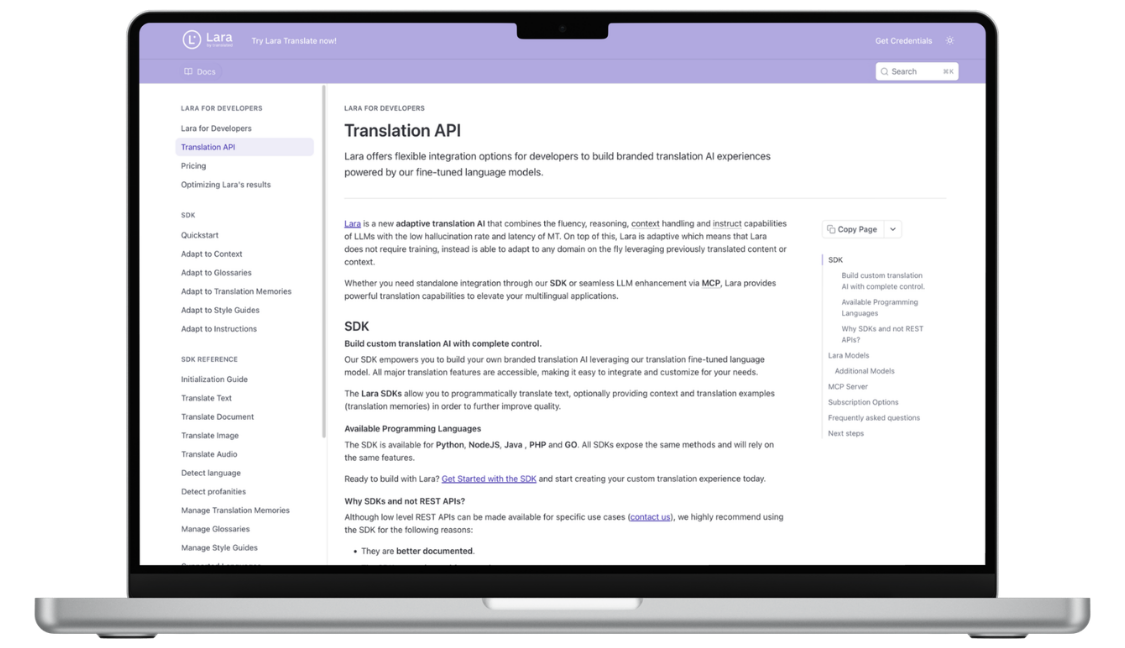
Coach clients anywhere, in a language they actually understand
Whichever platform above delivers your coaching, Lara Translate can help translate program notes and client messages accurately across 200+ languages.
Conclusion
The right online fitness coaching platform depends on how much coaching-specific depth you need, how generous a free tier fits your current roster, and whether your business is built around individual coaching or gym-style operations. Whichever platform you choose, a well-programmed workout still needs notes and messages the client can actually understand.
Have a valuable tool, resource, or insight that could enhance one of our articles?
Send us an email at press@laratranslate.com
We’ll be happy to review it and consider it for inclusion to enrich our content for our readers! ✍️
Frequently asked questions
How do I choose an online fitness coaching platform?
Choose around the work you do each week: programming, check-ins, messaging, progress review, and billing. Test a sample program from both the coach and client views. Compare total costs at your current roster size and the size you expect to reach.
What is the difference between per-client and flat-rate pricing?
Per-client pricing increases as you add clients, either individually or through capacity tiers. Flat-rate plans may include unlimited clients, but can still charge for extra trainers, branding, or optional features. Compare the complete plan rather than its headline price.
How much does online fitness coaching software cost?
Costs depend on client capacity, features, branding, and billing terms. Free plans can support an initial roster, while paid subscriptions may add automation, payments, or team management. Include payment-processing fees and add-ons when comparing options.
Which features matter most for online personal training?
Look for a usable workout builder, clear exercise instructions, client logging, messaging, and progress tracking. Add nutrition, habit, and business tools according to your service. Prioritize workflows that clients can follow consistently and that you can review efficiently.
Can coaching software support clients who speak different languages?
Some platforms offer multilingual menus and navigation, but support for translating coach-written content varies. Check interface languages separately from program notes, messages, and meal descriptions. Translate and review those materials where needed, keeping terminology and units consistent.
Should a new coach start with a free plan?
A free plan can help you test delivery and client engagement with a small roster. A paid plan may be worthwhile when a required feature or capacity limit affects your service. Try your actual weekly workflow before committing to a longer subscription.
This article is about
- Comparing programming, check-ins, and client communication workflows
- Matching software to individual coaches, teams, and gyms
- Understanding free-plan limits and client-based pricing
- Distinguishing app branding from a separate app-store listing
- Evaluating integrations, automation, and optional add-ons
- Translating coaching content separately from app interface localization
Sources
- 15 Unusual Hobbies That Build Real Skills and Curiosity
- Best Custom eLearning Content Development Companies in 2026
- Lara Translate document translation
- Lara Translate text API
This article was produced by the Lara Translate content team. Lara Translate is an AI translation platform built by Translated, with more than 25 years of professional translation experience. Fitness coaches use Lara Translate to translate program notes and client messages accurately, across 200+ languages and 60+ file formats.