Global expansion is hard enough without your slogan accidentally promising customers diarrhea. Yet that is exactly what happened to Coors in Spain, and they were far from alone.
The history of international advertising is full of funny translation mistakes that turned confident campaigns into public embarrassments, and the brands behind them include some of the most recognized names in the world.
Pepsi promised to raise the dead. Parker Pen offered accidental contraception. Mercedes-Benz marketed a car whose name translated to “rush to die.” These were not small oversights. They were costly, avoidable failures that damaged brand equity in markets those companies had invested heavily to enter.
Here are 20 of the best-documented funny translation mistakes in advertising, what went wrong in each case, and what modern marketing teams can do to avoid repeating them.
TL;DR
|
Why getting translation right matters for global brands
Every major brand that assumed language was just a word-swap paid to learn otherwise, sometimes $10 million worth. These blunders are not museum pieces: the same pattern repeats whenever marketing teams prioritize speed over cultural due diligence. For teams scaling campaigns across multiple markets, accurate translation with context instructions and glossaries is the layer between a campaign that resonates and a headline no PR team wants to manage.
Some of the most expensive marketing mistakes in history were not strategic failures. They were funny translation mistakes in advertising that nobody caught before launch. From KFC accidentally telling China to eat its own fingers, to HSBC spending $10 million correcting a passive slogan, these brand blunders show exactly what happens when cultural adaptation gets skipped.
Each market brings unique linguistic nuances, local slang, and cultural sensitivities that can transform an innocent campaign into an embarrassing blunder. The examples below are real, well-documented, and still used in marketing classrooms today.
Automotive industry: where car names drive sales into the ground
Car manufacturers have repeatedly learned expensive lessons about cross-cultural naming conventions, making the automotive sector a recurring source of marketing translation errors.
1. Ford’s Brazilian anatomy lesson
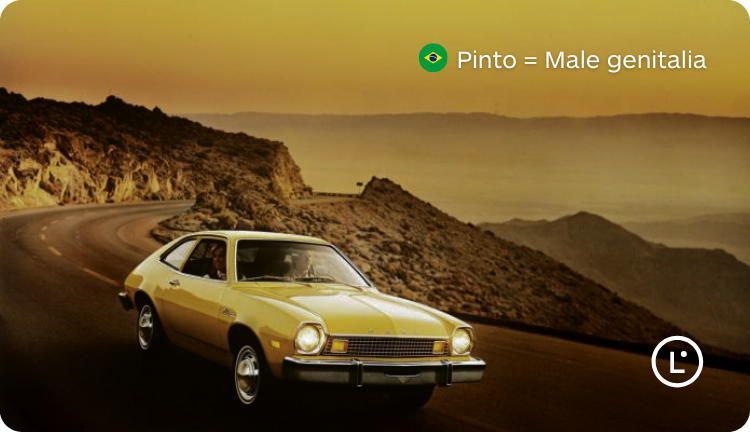
Ford discovered that their Pinto model faced unexpected resistance in Brazil when “Pinto” turned out to be local slang for small male genitals. No man wanted to own a vehicle with that name. Ford quickly rebranded the car as “Corcel,” meaning “horse” in Portuguese, and sales improved dramatically.
2. Mercedes-Benz’s death wish campaign

Mercedes-Benz initially entered the Chinese market under the name “Bensi,” which translates to “rush to die” in Chinese. The company recognized this was not the image they wanted to project and rebranded to “Benchi,” meaning “run quickly as if flying.”
3. Mitsubishi’s European embarrassment

Mitsubishi Motors failed to research local meanings when introducing its Pajero SUV to European markets. “Pajero” means “wanker” in Spanish, creating an awkward situation for potential customers who might hesitate to recommend their vehicle to friends and family.
4. Chevrolet’s no-go Nova
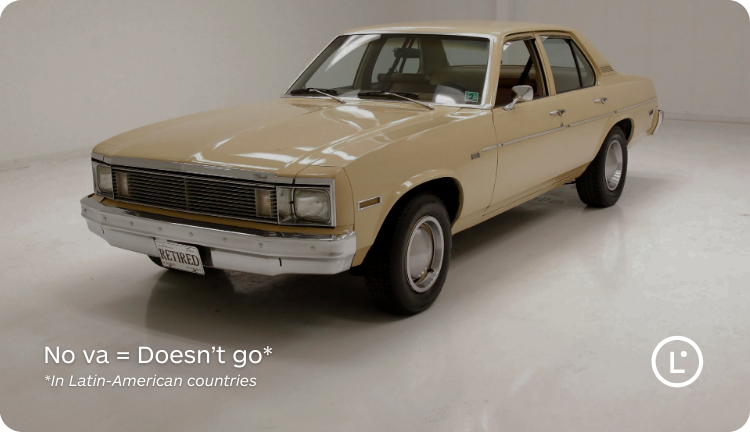
General Motors launched the Chevrolet Nova in Latin America without considering that “No va” means “doesn’t go” in Spanish. Marketing a car whose name suggests it will not function presents obvious credibility challenges.
Fast food fiascos: when slogans turn sinister
Restaurant chains have contributed some of the most memorable advertising translation fails, often transforming appetizing promises into deeply unsettling propositions.
5. KFC’s cannibalistic Chinese campaign

When Kentucky Fried Chicken opened its first Beijing restaurant in the 1980s, their famous slogan “Finger-lickin’ good” underwent a disturbing transformation. The Chinese translation read “Eat your fingers off,” suggesting customers consume their own digits rather than enjoy the chicken.
6. Green Giant’s intimidating vegetables

The friendly “Jolly Green Giant” mascot became the “intimidating green ogre” in Arabic markets. This menacing character hardly encouraged children to eat their vegetables, transforming a beloved figure into something from a horror story.
Beverage blunders: when drinks promise the impossible
Beverage companies have produced some of the most legendary brand translation blunders, often making supernatural or deeply uncomfortable promises to potential customers.
7. Pepsi’s supernatural promise
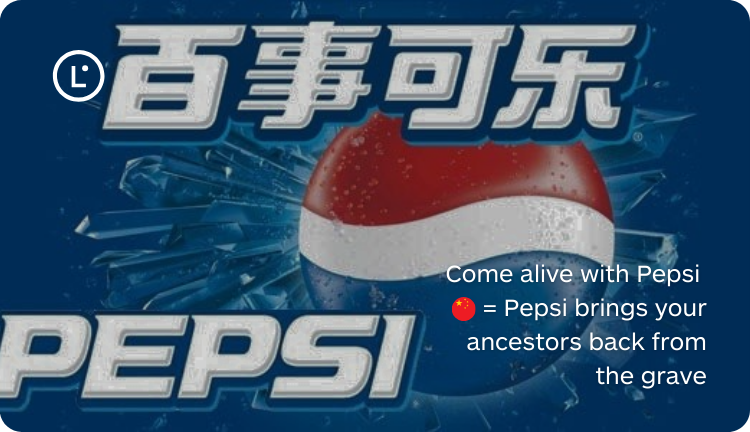
Pepsi’s expansion into China created a classic localization disaster when their campaign slogan “Come alive with Pepsi” was translated as “Pepsi brings your ancestors back from the grave.” This supernatural promise targeted a very specific audience seeking communication with deceased relatives through carbonated beverages.
8. Coors’ uncomfortable beer promise
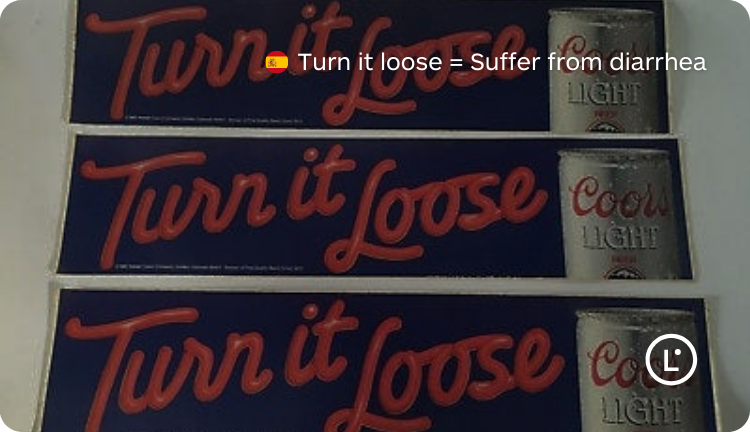
Beer manufacturer Coors launched their “Turn it loose” campaign in Spain, where the translation unfortunately suggested customers would “suffer from diarrhea.” This digestive distress promise understandably failed to increase beer consumption in Spanish-speaking markets.
9. Coca-Cola’s wax tadpole confusion
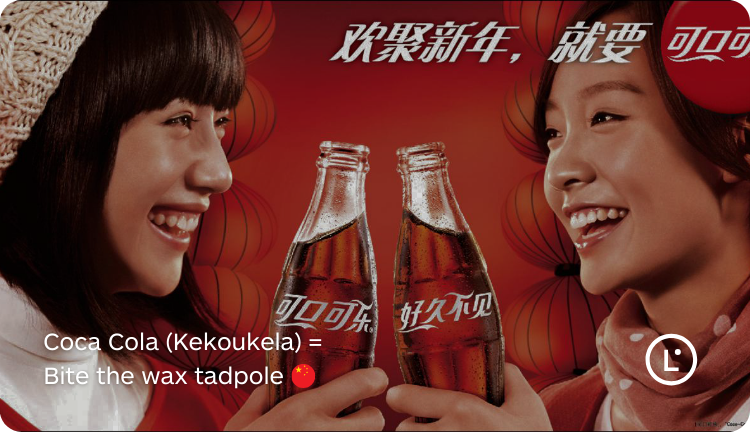
When Coca-Cola first entered China, the phonetic translation “Kekoukela” meant either “bite the wax tadpole” or “female horse stuffed with wax” depending on the dialect. The company eventually found a better phonetic equivalent, “kokou kole,” meaning “happiness in the mouth.”
10. Schweppes’ Italian toilet water
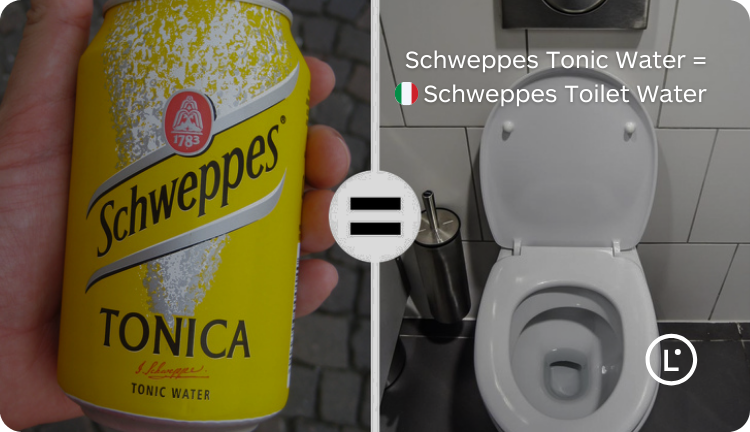
Schweppes encountered problems in Italy when their “Schweppes Tonic Water” campaign became “Schweppes Toilet Water,” hardly the refreshing image they intended to project.
Airlines and transportation: flying into linguistic turbulence
Transportation companies have contributed memorable marketing translation errors, often creating unintentionally provocative suggestions for their passengers.
11. American Airlines’ clothing-optional campaign

American Airlines promoted its leather seats with the slogan “Fly in leather,” which seemed straightforward until it reached Mexico. The Spanish translation suggested passengers should “fly naked,” creating an unintentionally provocative invitation that likely confused business travelers.
12. Braniff Airlines’ leather confusion
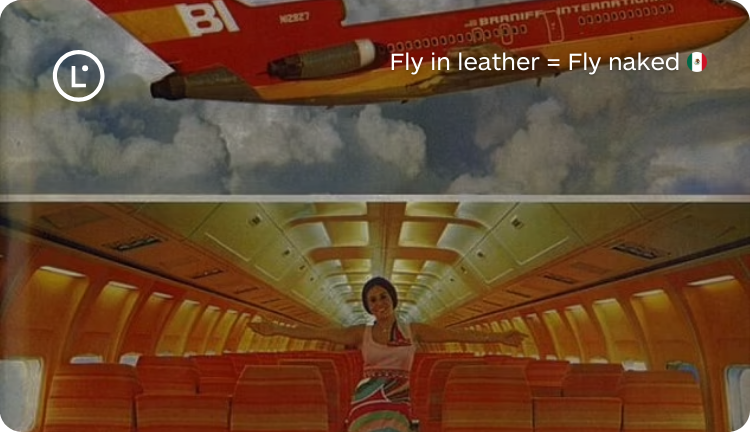
Similarly, Braniff Airlines’ promotion of their leather seating as “Vuela en cuero” was misinterpreted as “fly naked” in certain Spanish dialects, suggesting passengers board aircraft without clothing.
Personal care and household products: when hygiene gets awkward
Consumer goods companies have produced some of the most amusing advertising blunders, often connecting their products to inappropriate associations or bodily functions.
13. Colgate’s adult entertainment connection
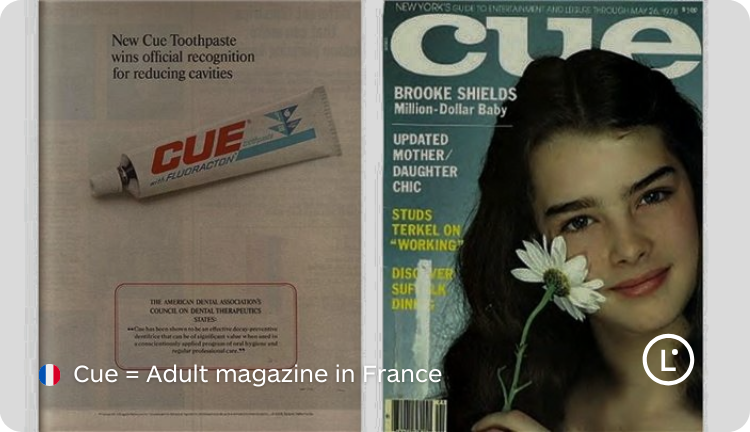
Colgate launched “Cue” toothpaste in France without researching that “Cue” was also the name of a popular French pornographic magazine. This oversight created an awkward association between dental hygiene and adult entertainment.
14. Paxam’s unappetizing laundry soap
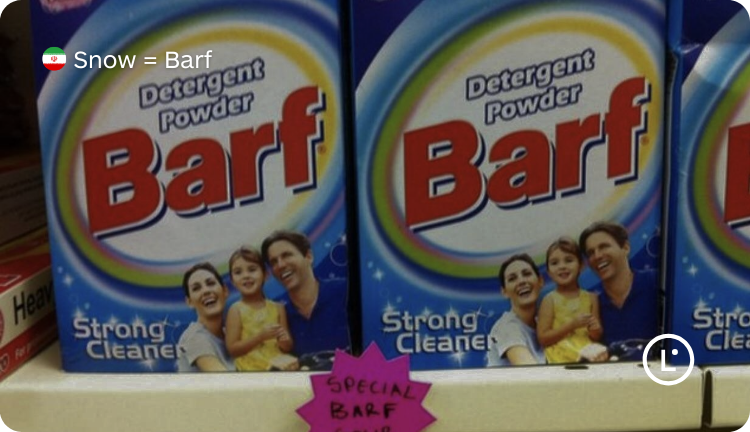
Iranian company Paxam produced a laundry soap called “snow” in Farsi, but the incorrect translation had English labels reading “barf.” Few consumers showed enthusiasm for washing clothes with a product suggesting vomit.
15. Parker Pen’s pregnancy promise
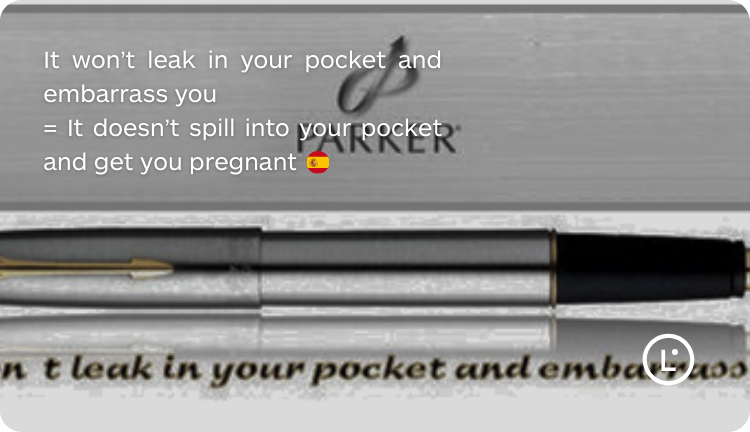
Parker Pen marketed ballpoint pens in Mexico with the intended slogan “It won’t leak in your pocket and embarrass you.” However, the company mistakenly thought the Spanish word “embarazar” meant embarrass, when it actually means “to impregnate.” The ads proclaimed the pen “won’t leak in your pocket and make you pregnant,” suggesting their writing instrument functioned as contraception.
16. Electrolux’s American vacuum victory

Swedish vacuum manufacturer Electrolux used the slogan “Nothing sucks like an Electrolux” in American advertising, apparently unaware that “sucks” carries strongly negative connotations in English slang. While technically accurate about suction power, the phrasing suggested poor product quality.
Food and agriculture: when marketing gets distasteful
Food companies have produced particularly memorable marketing localization errors, often creating unappetizing or deeply inappropriate associations with their products.
17. Got Milk’s lactation question

The American Dairy Association’s hugely successful “Got Milk?” campaign expanded to Mexico, where the Spanish translation asked “Are you lactating?” This significantly narrowed the target audience to nursing mothers rather than general milk consumers.
18. Gerber’s African packaging problem

Gerber used their standard baby food packaging featuring a smiling baby when entering African markets. In regions where many people cannot read, the image on the package indicates the contents inside. The baby image suggested the jar contained an infant rather than food for infants.
19. Frank Perdue’s inappropriate chicken promise

Chicken company Frank Perdue’s slogan “It takes a tough man to make a tender chicken” became “It takes a sexually stimulated man to make a chicken affectionate” in Spanish translation, creating an uncomfortable connection between poultry and human sexuality.
Financial services: when banking gets expensive
Even conservative financial institutions have fallen victim to costly brand translation blunders, sometimes requiring millions to correct their errors.
20. HSBC’s $10 million translation error

British bank HSBC’s “Assume nothing” slogan became “Do nothing” in various international markets. This passive message hardly inspired confidence in financial services, forcing HSBC to spend approximately $10 million correcting the mistake and developing a new global slogan: “The world’s private bank.”
How to prevent funny translation mistakes in advertising
Today’s businesses have access to sophisticated translation solutions that help avoid these costly mistakes. Unlike the simplistic word-for-word approaches that created these famous blunders, modern AI translation considers context, cultural nuance, and industry-specific terminology.
Lara Translate offers three translation styles: Faithful for precision, Fluid for natural readability, and Creative for marketing copy. For global campaigns, the Creative style is the right choice: it prioritizes the message’s impact and tone rather than strictly adhering to the original wording, which is exactly what cross-cultural advertising requires.
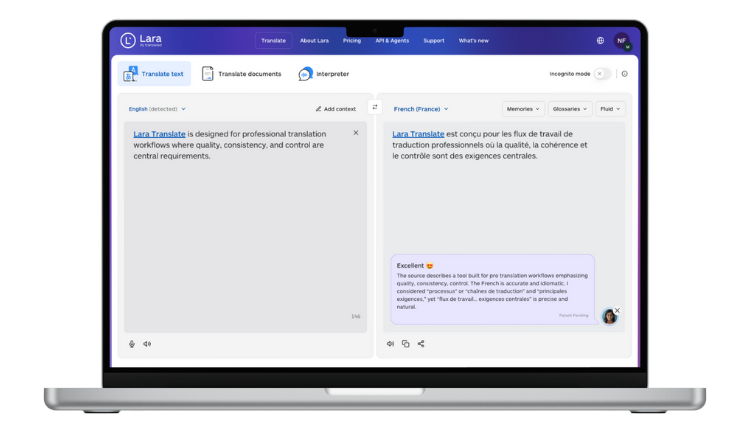
The platform lets you add context instructions covering audience, tone, domain, and preferred terms, so every translation fits the campaign from the start. Pair that with custom glossaries to lock in brand terminology across every language pair and every asset, so your brand voice never gets lost in translation.
Supporting 206 languages across 42,000+ language combinations and 70+ file types, Lara Translate enables marketing teams to test multiple versions of their campaigns across different cultural contexts before public launch.
Modern businesses implementing comprehensive translation strategies also recognize that building a dedicated translation glossary helps maintain consistency across all marketing materials while preserving brand voice in different languages. This systematic approach prevents the kind of localization errors that damage brand reputation and consumer trust.
Avoid becoming the next translation disaster!
Test your marketing campaigns with Lara Translate’s AI-powered cultural adaptation across 200+ languages before they reach global audiences.
Today’s campaigns also increasingly rely on visual elements alongside text. Understanding how to translate images without losing meaning or layout is essential for maintaining brand consistency across diverse markets, especially when products feature text-heavy packaging or signage.
Prevention strategies: building translation quality control systems
Preventing marketing translation errors requires systematic quality control that goes beyond basic language conversion. Multiple review stages, native speaker verification, and cultural adaptation checks create safety nets that catch potential errors before they reach public audiences.
Smart organizations establish translation guidelines addressing brand voice, terminology consistency, and cultural adaptation standards. These frameworks help prevent the kind of oversights that created these memorable marketing disasters while maintaining efficiency in global campaign development.
Professional translation platforms now offer contextual analysis, cultural adaptation tools, and collaborative review workflows that help marketing teams maintain quality control while scaling international campaigns efficiently.
The real cost of advertising translation blunders
These amusing examples represent significant financial losses beyond the immediate embarrassment. HSBC’s translation error cost $10 million to correct, while Mercedes-Benz faced potential reputation damage in one of the world’s largest automotive markets. Ford’s Pinto required complete rebranding in Brazil, including replacing all vehicle nameplates and creating new marketing materials.
Beyond immediate correction costs, translation errors can permanently damage brand perception, reduce market share, and require extensive reputation management efforts. Prevention through professional translation services proves far more cost-effective than post-launch damage control.
Companies like Parker Pen, American Airlines, and Pepsi learned that cultural intelligence means recognizing sensitive topics, local customs, and communication styles that extend far beyond literal language conversion. Modern AI-powered translation platforms such as Lara Translate now provide the cultural layer alongside linguistic accuracy that these famous failures lacked, ensuring messages resonate appropriately across diverse audiences while maintaining brand integrity.
Thank you for reading 💜
As a thank you, here’s a special coupon just for you: IREADLARA26.
Redeem it and get 10% off Lara PRO for 6 months.
If you already have a Lara account, log in here to apply your coupon. If you are new to Lara Translate, sign up here and activate your discount.
FAQs
What are the most common types of funny translation mistakes in advertising?
The most frequent causes are literal word-for-word translations that ignore cultural context, failure to research local slang, and skipping native speaker review before launch. Colloquial expressions, brand slogans, and product names are especially vulnerable because their meaning often depends on tone, rhythm, and cultural association rather than dictionary definitions. A phrase that is confident and catchy in English can become offensive, absurd, or simply meaningless when translated without that cultural layer.
How much do translation mistakes typically cost companies to fix?
Costs vary widely but can easily reach into the millions. HSBC’s mislocalized “Do Nothing” slogan required approximately $10 million to correct globally, including new campaign materials and rebranding. Beyond direct correction costs, brands face delayed market entry, lost consumer trust, and in some cases, like Ford’s Pinto in Brazil, full product rebranding including all vehicle nameplates and associated marketing assets. Investing in professional translation upfront is a fraction of that cost.
Can modern AI translation prevent advertising translation errors?
Advanced AI platforms like Lara Translate significantly reduce risk by considering cultural context, maintaining translation glossaries that lock in brand terminology, and offering multiple translation styles tailored to different content types. The Creative style, for example, is specifically designed for marketing copy: it prioritizes message impact and tone rather than strict word-for-word accuracy. Adding context instructions that specify audience, market, and tone further reduces the chance of culturally inappropriate output.
Why do major brands still make these translation mistakes?
Major brands create translation blunders when they prioritize speed over accuracy, rely on amateur or automated translation without cultural review, or skip native speaker sign-off entirely. Global campaign timelines are often tight, and localization is sometimes treated as a final step rather than a core part of the creative process. The brands in this article largely made their mistakes before modern AI translation existed; today, the tools are available to prevent them, but the process discipline still has to be in place.
How can businesses avoid embarrassing translation mistakes?
Companies prevent localization errors by investing in professional translation services, implementing native speaker reviews at the campaign level, creating translation glossaries for brand-specific terminology, and conducting local market research before launch. Using a platform with context-aware AI, like Lara Translate, means you can specify audience, tone, and domain at the start of a project so every translated asset reflects your brand correctly from the first draft.
This article is about
- Understanding real examples of funny translation mistakes in advertising from major brands like KFC, Mercedes-Benz, and Ford
- Analyzing how costly advertising translation fails impact brand reputation and require expensive correction campaigns
- Learning systematic quality control methods for preventing embarrassing international marketing blunders
- Discovering how modern AI translation technology helps avoid the cultural miscommunications that created these legendary failures
Have a valuable tool, resource, or insight that could enhance one of our articles? Submit your suggestion
We’ll be happy to review it and consider it for inclusion to enrich our content for our readers! ✍️